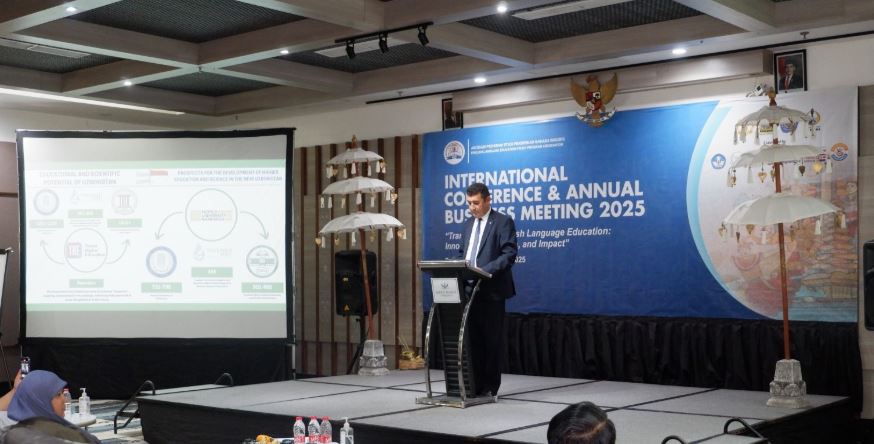
Theme and Sub-theme
Theme:
“Transforming English Language Education: Innovation, Inclusion, and Impact”
Sub-themes & Topics:
1. Technology and innovation in English Language
• Artificial Intelligence (AI) in Language Learning: Exploring the use of AI powered tools for personalized learning, automated feedback, and language assessment.
• Virtual and Augmented Reality (VR/AR) for Immersive Language Experiences: Investigating the potential of VR/AR to create engaging and context-rich language learning environments.
• Mobile-Assisted Language Learning (MALL): Examining the effectiveness and pedagogical implications of using mobile devices and applications for language acquisition.
• Gamification and Game-Based Learning in English Education: Exploring the use of game mechanics and digital games to enhance motivation and engagement in language learning.
• Corpus Linguistics and Natural Language Processing (NLP) in Language Teaching: Investigating how corpus data and NLP tools can inform curriculum design, materials development, and language analysis.
• Online Language Learning Platforms and Massive Open Online Courses (MOOCs): Analyzing the design, delivery, and impact of online language learning platforms and MOOCs.
• The Use of Social Media and Web 2.0 Tools for Collaborative Language Learning: Exploring how social media and interactive web tools can facilitate communication and collaboration among language learners.
• Blended Learning Approaches in English Language Education: Investigating effective models for integrating online and face-to-face instruction in language learning.
• Assistive Technologies for Learners with Special Needs in English Language Education: Exploring technological solutions to support diverse learners in accessing and engaging with English language learning.
• The Future of Language Learning Technologies: Discussing emerging trends and potential future directions in the application of technology to English language education.
2. Teaching inclusivity and diversity in English Language Curriculum
• Decolonizing the English Language Curriculum: Examining and challenging Eurocentric biases and promoting diverse voices and perspectives.
• Integrating Culturally Responsive Pedagogy in English Language Teaching: Exploring strategies for adapting teaching practices to students’ diverse cultural backgrounds and experiences.
• Addressing Linguistic Diversity in the English Language Classroom: Investigating approaches to support learners with diverse first languages and language varieties.
• Teaching English for Specific Purposes (ESP) in Inclusive Settings: Adapting ESP curricula and methodologies to meet the needs of diverse learners in specific professional or academic contexts.
• Promoting Gender Equality and Addressing Gender Bias in English Language Education: Analyzing and challenging gender stereotypes and promoting inclusive language use.
• Integrating Disability Studies Perspectives in English Language Teaching: Creating accessible and inclusive learning environments for students with disabilities.
• Teaching English to Refugee and Immigrant Learners: Exploring effective pedagogical approaches and addressing the unique challenges faced by these learners.
• Developing Intercultural Competence through the English Language Curriculum: Designing activities and materials that foster understanding and respect for diverse cultures.
• The Role of Critical Pedagogy in Promoting Social Justice through English Language Education: Empowering learners to critically analyze social issues and advocate for change.
• Assessment Practices that Support Inclusivity and Diversity in English Language Learning: Exploring alternative assessment methods that accommodate diverse learning styles and needs.
3. Measuring the impact of English Language Education
• Developing Frameworks for Assessing the Broader Impact of English Language Proficiency: Moving beyond traditional language skills assessment to consider social, economic, and cultural impacts.
• Evaluating the Effectiveness of Different English Language Teaching Methodologies and Interventions: Employing quantitative and qualitative research methods to assess the impact of specific teaching approaches.
• The Role of Standardized Tests in Measuring Language Proficiency and Educational Outcomes: Examining the validity, reliability, and potential biases of standardized English language tests.
• Assessing the Impact of English Language Education on Employability and Career Development: Investigating the link between English proficiency and labor market success.
• Measuring the Impact of English Language Skills on Academic Achievement in Other Subject Areas: Exploring the role of English proficiency in students’ overall academic performance.
• Evaluating the Impact of Language Education Policies on Language Proficiency and Educational Equity: Assessing the effectiveness of language policies in achieving their intended goals.
• Using Qualitative Research Methods to Understand the Lived Experiences and Perceptions of English Language Learners and Teachers: Gaining deeper insights into the impact of language education from the perspectives of stakeholders.
• Developing and Validating Instruments for Assessing Different Aspects of Language Proficiency (e.g., intercultural communicative competence, critical thinking skills).
• The Use of Learning Analytics to Track Student Progress and Measure the Impact of Educational Interventions in English Language Learning.
• Ethical Considerations in Measuring the Impact of English Language Education: Addressing issues of fairness, bias, and the potential for misuse of assessment data.
4. Language education policy and its implementation
• The Role of English as a Lingua Franca (ELF) in Shaping Language Education Policies: Examining the implications of ELF for curriculum design, teacher training, and assessment.
• Multilingualism and Language Education Policy: Exploring policies that promote and support multilingualism in educational contexts.
• The Impact of Globalization and Internationalization on National Language Education Policies: Analyzing how global trends influence language education planning and implementation.
• Stakeholder Involvement in the Development and Implementation of Language Education Policies: Investigating the roles and perspectives of governments, educators, learners, and communities.
• Challenges and Successes in Implementing Language Education Reforms: Examining case studies of language policy implementation in different contexts.
• The Influence of Political and Socioeconomic Factors on Language Education Policy: Analyzing how broader societal forces shape language education agendas.
• Policy Frameworks for Integrating Technology in Language Education: Examining policies that support the effective use of technology in language teaching and learning.
• Policies Related to Teacher Education and Professional Development in the Field of English Language Teaching: Analyzing how policies aim to improve the quality of English language teachers.
• The Role of Language Education Policy in Promoting Social Inclusion and Equity: Investigating how policies can address disparities in language learning opportunities and outcomes.
• Comparative Analysis of Language Education Policies Across Different Countries and Regions: Examining similarities and differences in policy approaches and their effectiveness.
5. Professional development for English Language teachers
• Effective Models and Approaches for Teacher Training and Continuing Professional Development (CPD) in ELT: Exploring innovative and impactful ways to support teacher growth.
• The Role of Teacher Communities of Practice in Fostering Professional Learning and Collaboration: Investigating the benefits and challenges of teacher networks.
• Developing Teacher Competencies for Integrating Technology in English Language Teaching: Addressing the specific skills and knowledge teachers need to effectively use technology.
• Preparing Teachers to Address Diversity and Promote Inclusion in the English Language Classroom: Examining training initiatives that equip teachers to work with diverse learners.
• Supporting Teacher Well-being and Preventing Burnout in the Field of English Language Education: Addressing the challenges and stressors faced by English language teachers.
• The Impact of Teacher Beliefs and Identities on Their Professional Practice: Exploring how teachers’ personal beliefs and experiences shape their teaching.
• Mentoring and Peer Coaching Programs for English Language Teachers: Investigating the effectiveness of these support mechanisms for teacher development.
• The Role of Reflective Practice in Teacher Professional Growth: Encouraging teachers to critically analyze their teaching and identify areas for improvement.
• Utilizing Online Resources and Platforms for Teacher Professional Development: Exploring the potential of online learning for teacher training and CPD.
• Policy and Funding Initiatives for Enhancing the Quality of English Language Teachers: Examining government and institutional efforts to support teacher development.